Wheels, Waves, and Wild Coastal Vibes: My Dar es Salaam Drive
You know that feeling when the open road meets tropical coastlines and unexpected adventures? Driving through Dar es Salaam isn’t just about getting from point A to B—it’s a full sensory ride. From buzzing markets to quiet ocean views, self-driving here reveals layers of culture, rhythm, and raw beauty you’d miss on a tour. I hit the gas with no fixed plan and found moments I’ll never forget—this is real Tanzania, unfiltered.
Why Self-Driving in Dar es Salaam Changes the Game
Traveling through Dar es Salaam by car transforms the way you experience the city and its surroundings. Unlike fixed itineraries or crowded minibuses, having your own vehicle gives you the freedom to explore at your own pace, respond to curiosity, and discover what lies just beyond the main roads. The city stretches along the Indian Ocean coastline, creating a natural corridor where urban energy blends with coastal serenity. With a car, you can move seamlessly between these worlds—starting your morning in a lively market and ending it on a secluded beach with nothing but the sound of waves and seabirds.
Self-driving allows for spontaneity, a quality often missing in structured tours. Imagine seeing a hand-painted sign for fresh mangoes at a roadside stand and deciding to stop—just because. Or catching a local fisherman pointing toward a quiet inlet where the tide has just receded, revealing tidal pools and sandbars perfect for walking. These are the unplanned moments that become the most cherished memories. Without the constraints of public transport schedules or guided tour routes, you become the author of your journey, making choices based on mood, light, and instinct.
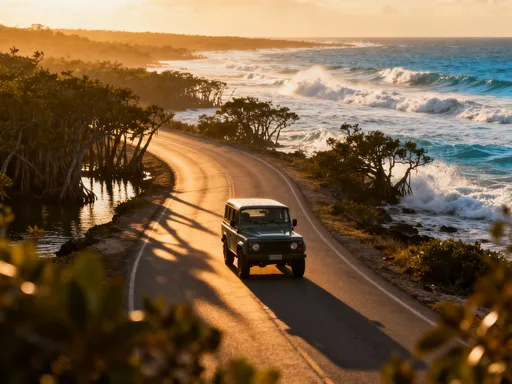
The infrastructure of Dar es Salaam supports this kind of exploration. While certain areas are densely populated and busy, the city’s coastal geography means that within minutes of leaving the center, you can find quieter roads lined with coconut palms, mangrove forests, or small fishing communities. Roads leading south and north from the city center open up to scenic drives that connect urban life with the rhythms of the sea. For travelers who value both convenience and authenticity, a personal vehicle offers the best of both worlds—accessibility and intimacy.
Moreover, driving enables deeper cultural engagement. When you move through a place at ground level, on your own terms, you notice details others might overlook—the way children play soccer in open lots between buildings, the rhythm of daily routines in coastal villages, or the quiet dignity of elders sitting under shade trees. These observations form a richer, more nuanced understanding of life in Tanzania. Self-driving doesn’t just take you places; it lets you feel the pulse of the city and its surroundings in a way few other modes of travel can match.
Setting Up Your Drive: What You Need to Know Before Hitting the Road
Before embarking on your coastal adventure, proper preparation ensures a smooth and safe experience. The first step is securing a reliable rental vehicle. Most international and local car rental agencies in Dar es Salaam offer well-maintained 4x4 SUVs, which are ideal for navigating both city streets and unpaved coastal roads. These vehicles provide better ground clearance, durability, and comfort, especially when venturing beyond paved highways. It’s essential to choose a reputable company that includes comprehensive insurance, roadside assistance, and 24/7 customer support.
An International Driving Permit (IDP) is required for foreign visitors and should be obtained before arrival. This document, when carried alongside your valid home country driver’s license, legally authorizes you to drive in Tanzania. While traffic enforcement can vary, having proper documentation prevents unnecessary delays or misunderstandings. Additionally, familiarize yourself with local driving regulations, such as driving on the left side of the road, which may be different from what you’re accustomed to.
Navigation technology has made self-driving significantly easier. Google Maps functions reliably across most of Dar es Salaam and surrounding areas, providing real-time traffic updates and turn-by-turn directions. However, signal strength can weaken in remote coastal zones or rural stretches. To prepare, download offline maps of your intended routes before departure. This simple step ensures you won’t be left without guidance when cell service fades. Consider using a phone mount and keeping your device charged with a portable power bank.
Fuel stations are widely available throughout the city and along major highways, typically operating from early morning until late evening. Fuel quality is generally good, and both petrol and diesel are accessible. Still, it’s wise to refuel when your tank reaches half full, especially before heading toward less populated coastal areas. Carrying bottled water, light snacks, and a small first-aid kit in your vehicle adds an extra layer of preparedness. These small comforts make long drives more enjoyable and ensure you’re ready for minor delays or unexpected stops.
Mindset matters as much as logistics. Tanzanian roads follow a rhythm that prioritizes flow over rigid rules. Drivers often rely on eye contact, hand signals, and honking as forms of communication rather than strict adherence to lane markings or traffic signs. Approaching the road with patience, awareness, and respect for local driving culture makes the experience far more pleasant. Avoid aggressive driving and remember that delays are part of the journey—not obstacles to be overcome, but opportunities to observe and absorb your surroundings.
Coastal Cruising: The Best Day-Drive Routes from the City
One of the greatest joys of driving in Dar es Salaam is the ease with which you can escape the city and immerse yourself in coastal beauty. Just a short drive from the urban core, the landscape transforms—high-rises give way to open shores, fishing boats bob in sheltered bays, and the air fills with the scent of salt and drying nets. Several scenic day-drive routes offer unforgettable experiences without requiring overnight travel.
The southern coastal route toward Mbudya Island is among the most rewarding. After passing through the bustling Kigamboni district, the road becomes quieter, flanked by mangroves and small settlements. Parking near the ferry departure point allows you to leave your car securely while taking a short boat ride to Mbudya, a serene island with white sand beaches and shallow turquoise waters. Snorkeling, swimming, or simply lounging under palm trees are perfect ways to spend a few hours. Return ferry times are frequent, making this an ideal half-day escape.
Another excellent option is the drive to Sakazuki Beach, located slightly further south. This stretch of coastline is less developed than city beaches, offering a more authentic glimpse into local seaside life. Families gather on weekends, vendors sell grilled fish and fresh coconuts, and children play in the surf. There’s a small parking area near the access path, and basic restroom facilities are available. Visiting on a weekday ensures fewer crowds and a more peaceful atmosphere. The drive itself is scenic, with views of the Indian Ocean on one side and green coastal vegetation on the other.
For those interested in marine conservation, the route to the Marine Parks and Reserves Unit near Mwera offers educational stops and guided walks along protected shores. While not a traditional beach destination, this area provides insight into coastal ecosystems and the efforts to preserve them. Informative signage and occasional ranger-led tours enhance the experience. It’s a quieter, more reflective alternative to recreational beaches, ideal for travelers who appreciate nature and sustainability.
Each of these routes can be completed within three hours round-trip, making them perfect for a morning or afternoon outing. Early departures are recommended to avoid midday heat and weekend congestion. Pack sunscreen, a hat, and a light beach towel to make the most of your stop. These drives aren’t just about destinations—they’re about the journey itself, the changing scenery, and the freedom to pause whenever something catches your eye.
Urban Pulse: Navigating Markets, Culture, and Street Life on Four Wheels
Dar es Salaam’s vibrant markets are windows into everyday Tanzanian life, and driving gives you the flexibility to engage deeply while maintaining comfort and control. Kariakoo Market, one of the largest in the city, is a sensory explosion—rows of colorful fabrics, stacks of fresh produce, the sizzle of street food, and the constant hum of Swahili conversation. Parking nearby allows you to step into this dynamic environment and then retreat to your vehicle when you need a break from the intensity.
When visiting such markets, choose designated parking areas or trusted valet services if available. Some local attendants manage informal lots and will watch your car for a small fee. Always lock your doors and keep valuables out of sight. The goal is to engage with the market without worrying about your vehicle. Once parked, immerse yourself in the experience—bargain for handwoven baskets, sample ripe pineapples, or watch artisans repair sandals with skilled precision.
Driving also enables you to explore cultural sites at your own rhythm. The National Museum, Village Museum, and Askari Monument are all accessible by car, with parking available on-site or nearby. These locations offer insights into Tanzania’s history, ethnic diversity, and national identity. Visiting them independently, rather than in a group, allows for deeper reflection and more personal connection. You can linger at exhibits that move you and skip those that don’t, tailoring the experience to your interests.
The balance between exploration and rest is crucial. After a few hours in the market or museum, returning to your car provides a quiet space to rehydrate, review photos, or simply sit in air-conditioned comfort before continuing. This rhythm—engagement followed by pause—makes urban exploration sustainable and enjoyable, especially in warm weather. It’s a reminder that travel isn’t about packing in as many sights as possible, but about meaningful interaction and personal well-being.
Sunset Chases and Ocean Stops: Must-Visit Spots Only Drivers Can Reach Easily
Some of the most magical moments on this journey happen in places that aren’t marked on tourist maps. Driving allows access to quiet coastal stretches where the ocean meets the sky in a blaze of color during golden hour. One such spot is a secluded stretch near Coco Beach, just far enough from the main access point to avoid crowds. Pulling over as the sun dips toward the horizon, you might find yourself alone with the sound of waves and the soft rustle of palm fronds.
Oyster Bay offers another set of hidden gems. A short detour from the main road leads to local beach bars where residents gather in the late afternoon. These aren’t commercialized venues but simple open-air spots with plastic chairs, cold drinks, and fresh coconut water served in halves with straws. Sitting here, you become part of the local rhythm—listening to music, watching fishermen return with their catch, or sharing a smile with passersby.
Other accessible but low-key locations include the shoreline near Mbezi Beach, where families picnic on weekends, and the quiet cove near Kunduchi, best visited on weekdays. These spots lack formal amenities but offer authenticity and tranquility. They’re places where life unfolds naturally, uncurated for tourists. Bringing a small cooler with water and snacks enhances the experience, allowing you to stay longer and soak in the atmosphere.
Photographers and nature lovers will appreciate the tidal flats near Kigamboni at low tide, where wading birds forage and children explore rock pools. These moments of stillness and observation are only possible with the freedom that driving provides. You’re not confined to operating hours or tour schedules—you arrive when the light is right, stay as long as you wish, and leave when you’re ready.
Practical Wisdom: Local Driving Etiquette, Safety, and Smart Detours
Understanding local driving customs is essential for a smooth and respectful experience. Tanzanian roads operate on a system of informal rules and shared awareness. Honking, for example, is not a sign of anger but a common way to signal presence—especially when approaching blind corners or navigating roundabouts. Drivers often use short beeps to say “I’m here” rather than “Get out of the way.” Recognizing this nuance reduces stress and helps you blend in.
Roundabouts function differently than in Western countries. Rather than yielding to traffic already in the circle, drivers often enter with confidence, relying on mutual adjustment. This requires alertness and a willingness to adapt. Defensive driving—anticipating movements, checking mirrors frequently, and maintaining a safe distance—is more effective than strict rule-following. Avoid sudden maneuvers and signal your intentions clearly, even if others don’t always do the same.
Rush hours, typically from 7–9 a.m. and 5–7 p.m., bring heavier traffic, especially in central districts. Planning your drives outside these windows makes navigation easier and more enjoyable. Certain neighborhoods are best explored during daylight, both for visibility and personal comfort. While crime against tourists is relatively low, exercising standard precautions—such as avoiding isolated areas at night and not displaying valuables—is wise.
When in doubt, follow the lead of local drivers. If they slow down, so should you. If they stop to assist another vehicle, observe how they interact. These small acts of observation build confidence and cultural sensitivity. Remember, driving here isn’t about speed or efficiency—it’s about participation in the flow of daily life.
Why This Journey Stays With You: The Deeper Reward of Driving Dar es Salaam
Looking back, the most lasting impressions weren’t the places themselves, but the moments between them. The laughter of children waving from the roadside. The quiet dignity of an elderly fisherman mending his net by the water’s edge. The sudden hush when you pull over and realize you’re the only person on a stretch of beach, with only the wind and waves for company. These are the experiences that stay with you long after the journey ends.
Self-driving through Dar es Salaam isn’t about luxury or convenience alone—it’s about connection. It’s the ability to choose your own path, respond to curiosity, and move through a place with intention and presence. Every turn of the wheel becomes a decision, every stop a possibility. This sense of agency deepens your engagement with the landscape and its people, transforming sightseeing into lived experience.
Travelers who seek authenticity will find that a car offers more than mobility—it offers access. Access to quiet moments, to unscripted interactions, to the rhythm of daily life as it unfolds. In a world where many destinations feel curated or commercialized, Dar es Salaam reminds us that real travel still exists. It’s not found in five-star resorts or packaged tours, but in the freedom to explore, to pause, and to be present.
This journey taught me that the road shapes the traveler as much as the destination. With every mile, I learned to slow down, to observe, and to appreciate the beauty of the unplanned. Driving through Dar es Salaam wasn’t just a way to get around—it was a way to understand, to connect, and to remember why we travel in the first place.