Lost in Flavor: Wandering Atami’s Hidden Food Streets
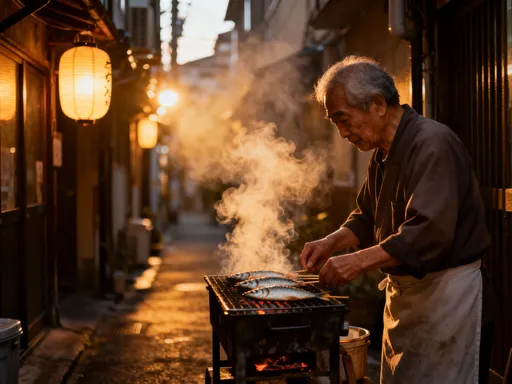
You know that feeling when you stumble upon a tiny alley packed with steam, scent, and locals lining up for something sizzling on a grill? That was me in Atami. I went for the ocean views, but stayed for the food—real, unfiltered, mind-blowing Japanese street flavors you won’t find in guidebooks. This isn’t just a hot spring town. It’s a culinary playground waiting to be wandered. Nestled along the eastern edge of the Izu Peninsula, Atami offers more than soothing volcanic baths and sweeping coastal vistas—it delivers an intimate, sensory-rich journey through Japan’s regional food culture. For travelers seeking authenticity over spectacle, this seaside gem reveals its treasures slowly, one smoky skewer, one steaming bowl, one quiet conversation at a time.
The Allure of Atami: More Than Just Hot Springs
Atami has long been celebrated as a restorative retreat, its reputation built on centuries of visitors drawn to its naturally heated waters and tranquil seaside setting. Located just under an hour from Tokyo by the swift Tokaido Line, it remains one of Japan’s most accessible coastal escapes, yet it has managed to retain a sense of quietude that larger resort towns often lack. The town climbs the steep hillsides overlooking Sagami Bay, where sea breezes mingle with the faint mineral scent of onsen steam rising from traditional ryokans. While many come for the hot springs, increasingly, travelers are discovering that Atami’s true soul lies not in its baths but in its streets—narrow, winding lanes where food culture thrives in unassuming corners.
Unlike the polished tourist centers of Hakone or Kamakura, Atami moves at a gentler rhythm. There are no massive souvenir plazas or crowded tram lines. Instead, daily life unfolds in quiet markets, neighborhood eateries, and family-run stalls that have served the same recipes for generations. This slower pace invites a different kind of travel—one rooted in presence, curiosity, and appetite. The town’s geography enhances this experience: perched between the sea and the forested slopes of Mount Nijo, Atami draws ingredients from both realms, creating a cuisine that is as balanced as the landscape itself.
Accessibility further adds to its appeal. For families or solo travelers looking for a short getaway without the stress of complex itineraries, Atami is ideal. The train journey from Tokyo is smooth and scenic, gliding past urban sprawl into coastal curves and mountain tunnels. Upon arrival, the station area immediately immerses visitors in local life—fishermen unloading crates, grandmothers bargaining for fresh vegetables, and the ever-present aroma of grilled seafood wafting from nearby stalls. It’s a place where tourism and authenticity coexist, not compete. For women between 30 and 55—many of whom balance family responsibilities with a desire for meaningful personal time—Atami offers a rare combination: ease, beauty, and the chance to reconnect with simple pleasures.
Wandering with Purpose: The Art of Getting Lost in Atami
In a world where travel itineraries are often packed to the minute, Atami teaches a different lesson: sometimes the best moments come when you stop planning. Wandering here is not aimless; it is a deliberate act of openness. There is no need to follow a map or tick off landmarks. Instead, the most rewarding experiences emerge when you allow yourself to be guided by scent, sound, and sight—by the hiss of grilling fish, the chatter of locals at a corner stall, or the vibrant colors of fresh seafood laid out on ice.
The town’s layout naturally encourages exploration. Narrow alleys branch off from main streets like capillaries, leading to hidden plazas, quiet shrines, and unexpected food outposts. Behind Atami Shrine, for instance, a modest lane opens into a cluster of family-run stalls where octopus is grilled over open flames and served on wooden skewers. These are not tourist traps; they are part of the town’s daily rhythm, where office workers stop for a quick bite and elderly residents gather for morning tea and conversation. By stepping away from the central promenade and into these quieter zones, visitors gain access to a more intimate side of Japanese life.
The rhythm of a day in Atami can unfold organically. Begin with a morning walk along the shore, where the Pacific breeze carries the salt of the sea and the cries of gulls. As the sun climbs, drift into the side streets near the station, where market vendors set up their wares and the scent of simmering broth fills the air. By late afternoon, follow the growing crowds toward the fishing wharf, where the day’s catch is being sorted and sold. And as dusk settles, let the glow of paper lanterns guide you to a standing izakaya, where a simple plate of grilled fish and a warm cup of sake offer perfect closure to a day of discovery. This kind of travel is not about efficiency—it’s about immersion.
The Taste of Tradition: Atami’s Signature Local Dishes
Atami’s cuisine is a direct reflection of its environment—abundant in seafood, rooted in seasonality, and shaped by generations of coastal living. The flavors are clean, bold, and deeply satisfying, emphasizing freshness over complexity. Among the most iconic dishes is katsuo no tataki, a preparation of seared bonito that originated in Japan’s southern regions but has found a special home in Atami. The fish is lightly torched on the outside, leaving the center cool and tender, then sliced and served with grated garlic, scallions, and a splash of soy-based ponzu. The smoky edge enhances the fish’s natural richness, creating a balance that lingers on the palate.
Another standout is izu sushi, a regional variation that distinguishes itself from Tokyo-style nigiri. Here, mackerel is marinated in vinegar before being placed atop compact beds of rice, giving it a sharper, more vibrant taste. Toppings often include local ingredients like mountain herbs, wild ginger, or freshly grated wasabi—each adding a layer of complexity. Unlike mass-produced sushi rolls, izu sushi is humble in appearance but profound in flavor, a testament to the skill of artisans who understand how to let ingredients speak for themselves.
Atami yaki, a simple grilled fish dish, is another staple. Typically made with locally caught sea bream or horse mackerel, the fish is seasoned with salt and grilled over binchotan charcoal, which imparts a delicate smokiness without overpowering the flesh. It is often served with a side of grated daikon and a wedge of lemon, allowing diners to adjust brightness and texture with each bite. What makes these dishes special is not just their taste, but their context—they are eaten as part of daily life, not as performances for visitors. Even seasonal offerings, like sazae (turban shell) in summer or buri (yellowtail) in winter, reflect a deep connection to the natural cycles of the sea.
Where the Locals Eat: Uncovering Hidden Eateries
The heart of Atami’s food culture beats strongest in its unassuming corners—in standing bars with no signs, in market stalls with plastic menus taped to the counter, in tiny izakayas where the same families have served the same dishes for decades. These are not the kinds of places found in glossy travel magazines, but they are where authenticity thrives. For the observant traveler, finding them is less about research and more about intuition: watching where locals queue, noting which stalls have repeat customers, and learning to read the subtle cues of a thriving food scene.
One of the most reliable indicators is simplicity. The best spots often have minimal decor, a short menu, and an owner who moves with quiet confidence. A small counter near the fish market, for example, might offer only two items: grilled scallops and simmered octopus. Yet the scallops, pulled from the bay that morning and grilled over open flame, are so fresh they melt on the tongue. The octopus, tenderized through slow cooking and finished with a touch of sweet soy, carries the essence of the sea. There are no frills, no English menus—just food prepared with care and served with pride.
Another clue is timing. Many of the most beloved vendors operate only in the early hours, catering to fishermen, market workers, and early risers. A tempura stall near Miura Wharf, for instance, begins frying at dawn, turning out golden-brown shrimp and mountain vegetables before most tourists have left their hotels. By mid-morning, it’s gone—its success measured not by online reviews but by the steady stream of regulars who know exactly when and where to find it. For women seeking genuine connection and meaningful experiences, these moments of quiet discovery—eating alongside locals, sharing a smile with a vendor, savoring a dish that exists only in this place at this time—can be deeply fulfilling.
A Morning Market Adventure: Freshness You Can Taste
One of the most rewarding ways to begin a day in Atami is by visiting one of its morning markets. Whether it’s the small cluster of stalls near Atami Station or the more expansive offerings along Miura Wharf, these markets are vibrant hubs of activity and flavor. As the sun rises, fishermen unload crates of the night’s catch—glistening mackerel, plump octopus, spiny sea urchins—while vendors arrange displays of fresh produce, pickles, and handmade snacks. The air is thick with the scent of brine, grilled fish, and simmering broth, creating a sensory experience that is both invigorating and comforting.
Walking through the market is an act of engagement. Vendors call out specials in cheerful voices, offering samples of grilled scallops or warm cups of miso soup. Shoppers—mostly locals—inspect fish with practiced eyes, pressing the flesh to test firmness or examining the clarity of the eyes. For visitors, the best approach is to observe, then follow. If a stall has a line, there’s likely a reason. If an older woman in a floral apron is buying a particular dish, it’s probably worth trying. Many vendors offer ready-to-eat items, allowing you to taste the day’s freshest offerings without needing a full sit-down meal.
One of the most memorable experiences is eating while standing at a counter, chopsticks in hand, ocean breeze in your hair. A simple dish—grilled squid brushed with tare sauce, or a rice ball stuffed with pickled plum—becomes extraordinary when enjoyed in the moment, surrounded by the hum of daily life. These markets are not staged for tourism; they are working spaces where food is bought, sold, and consumed with purpose. For travelers, especially those who value realness over polish, they offer a rare window into the rhythms of Japanese coastal living.
From Sea to Table: How Geography Shapes Flavor
The exceptional quality of Atami’s food cannot be separated from its geography. The town lies in the path of the Kuroshio Current, a warm ocean stream that sweeps up from the tropics, bringing with it an abundance of marine life. This current supports a rich diversity of fish—bonito, yellowtail, sea bream, squid—many of which are caught within hours of being served. The proximity of fishing grounds to dining tables means that seafood in Atami is often consumed within a day of being pulled from the water, preserving texture, aroma, and flavor in a way that distant markets cannot match.
Equally important is the volcanic soil that blankets the surrounding hills. Nourished by centuries of geothermal activity, this land fosters the growth of bold, aromatic herbs—most notably wild wasabi, which grows in cool mountain streams and is prized for its clean, spicy heat. Unlike the processed green paste found in many restaurants, real wasabi has a fleeting pungency that fades quickly, making freshness essential. In Atami, it is often grated to order and served alongside sashimi or grilled fish, enhancing rather than overwhelming the dish.
Local chefs and home cooks alike take pride in sourcing ingredients close to home. Many small restaurants maintain relationships with specific fishermen or farmers, ensuring a direct link from producer to plate. This short supply chain is not just a matter of convenience—it is a philosophy. It reflects a deep respect for seasonality, sustainability, and the belief that food should taste like the place it comes from. In this way, Atami’s cuisine embodies the Japanese concept of terroir, where environment, tradition, and taste are inseparable. For travelers, this means every meal is not just nourishment but a story—a taste of the sea, the soil, and the people who steward them.
Practical Wandering: Tips for a Flavor-Filled Day in Atami
Exploring Atami’s food streets is as much about preparation as it is about spontaneity. While the joy of getting lost is real, a few practical tips can enhance the experience. First, wear comfortable walking shoes. The town’s terrain is hilly, and the best discoveries often require climbing narrow staircases or navigating uneven pavement. A light backpack with a water bottle and a small towel is also advisable, especially during warmer months when the coastal humidity rises.
Cash remains essential. While larger establishments accept cards, many small vendors, market stalls, and standing bars operate on a cash-only basis. Carrying a modest amount of yen—enough for several small purchases—ensures you won’t miss out on an impromptu snack or drink. It’s also helpful to carry a small phrase card with basic food-related Japanese phrases, such as “sumimasen” (excuse me), “kore wa nan desu ka?” (what is this?), and “ossmasu” (I’ll have what they’re having)—a phrase that often leads to the best recommendations.
Timing matters. Starting early allows you to experience the morning markets at their most vibrant and avoid the midday heat. A suggested rhythm might include a market visit around 8:00 a.m., followed by a slow walk through the side streets, with spontaneous stops for snacks like grilled fish buns or onigiri. By late afternoon, shift toward the harbor or backstreets, where izakayas begin to light up. There’s no need for reservations; most small eateries welcome walk-ins, especially during off-peak hours.
Finally, travel with openness. Don’t feel pressured to document every meal or rank every dish. Let your senses guide you. If a smell pulls you down an alley, follow it. If a group of locals is gathered around a stall, join them. The goal is not to consume everything but to connect—to the food, the place, and the people who make it possible. For women seeking a travel experience that feels both enriching and restorative, Atami offers a rare balance: adventure without stress, discovery without pretense.
Why Getting Lost in Atami’s Flavors Is the Point
In an age of curated travel guides, algorithm-driven recommendations, and picture-perfect itineraries, Atami stands as a quiet reminder that some of the best experiences cannot be planned. They happen in the spaces between schedules, in the alleys without names, in the moments when you let go of control and allow yourself to be led by curiosity. To wander Atami’s food streets is not to get lost in the traditional sense—it is to find something deeper: a connection to place, to culture, to the simple joy of eating something truly good, made by someone who cares.
Each bite tells a story—of fishermen rising before dawn, of grandmothers preserving family recipes, of chefs who honor the seasons. These are not performances for tourists; they are acts of daily life, shared generously with those willing to look beyond the obvious. For women who have spent years caring for others, who crave moments of authenticity and quiet beauty, Atami offers a gentle invitation: slow down, breathe deeply, follow your nose, and let flavor be your guide. In doing so, you may not just discover a town—you may rediscover yourself.