Kazan Unfiltered: These Spots Are Pure Instagram Gold
Ever scrolled through travel feeds and thought, “How do they find these places?” I felt the same—until I hit Kazan. What I found wasn’t just another postcard city; it was a visual masterpiece blending cultures, colors, and centuries. From golden domes glowing in the sunset to secret courtyards tucked behind ancient walls, every corner screams *take my photo*. This is real talk: if your feed needs soul and sparkle, Kazan delivers. And trust me, some spots? You won’t believe they’re real.
The Soul of Two Worlds: Where East Meets West in One City
Kazan is not a city that chooses sides. As the proud capital of the Republic of Tatarstan, it stands boldly at the meeting point of two vast cultural currents—Slavic and Turkic, Orthodox Christian and Muslim, European and Asian. This duality isn’t just historical; it’s alive, breathing in the rhythm of daily life, reflected in the architecture, cuisine, and even the way people greet one another on the street. The city’s identity is a tapestry woven with threads from both worlds, creating a visual and emotional richness few destinations can match. It’s this harmony—this peaceful coexistence—that gives Kazan its distinctive atmosphere and makes it a magnet for photographers and storytellers alike.
Walking through the city, you’ll notice the seamless blend of onion domes and crescent-topped minarets, traditional Tatar wooden houses with ornate carvings standing beside neoclassical buildings from the imperial era. The official languages are Russian and Tatar, and bilingual signs are common, reinforcing the sense of shared heritage. This cultural balance isn’t performative; it’s deeply rooted. Kazan has long been a bridge between worlds, a place where trade routes once converged and where ideas still flow freely. For the observant traveler, this creates endless opportunities for authentic, emotionally resonant photography—not just of landmarks, but of life unfolding in real time.
What makes this fusion so visually compelling is its authenticity. Unlike cities where cultural diversity is segregated or commercialized, Kazan integrates its dual identity into the very fabric of the urban landscape. A grandmother in a floral headscarf might pass a young student in a hoodie listening to Tatar rap; a church bell might chime as the call to prayer echoes from a nearby minaret. These moments aren’t staged—they’re part of the city’s daily soundtrack. Capturing them requires patience and respect, but the rewards are images that speak not just of beauty, but of belonging, of unity, of a city that has chosen understanding over division.
Kremlin Square: More Than Just a Name—It’s a Visual Feast
The Kazan Kremlin is not merely a historic fortress; it’s the beating heart of the city’s visual narrative. Enclosed by ancient white walls and watchtowers, this UNESCO World Heritage site offers one of the most powerful photographic compositions in Russia. What sets it apart is the rare coexistence of two major religious symbols within a single complex—the **Qolşärif Mosque** and the **Annunciation Cathedral**. This juxtaposition is more than architectural; it’s symbolic, emotional, and profoundly photogenic. Standing in the central courtyard, you can frame both structures in one shot, a single image capturing centuries of history, faith, and reconciliation.
The Qolşärif Mosque, completed in 2005, is a modern reconstruction of the original mosque destroyed in 1552 during Ivan the Terrible’s conquest. Its grand scale—58 meters tall with six minarets—commands attention, yet its design remains elegant and harmonious. The white stone facade, intricate geometric patterns, and azure domes create a striking contrast against the sky, especially in the soft light of morning or late afternoon. The Annunciation Cathedral, dating back to the 16th century, stands nearby with its golden domes and traditional Russian Orthodox architecture. The combination of these two landmarks in one frame is a powerful visual metaphor, one that resonates deeply with viewers far beyond the realm of travel photography.
For the best photos, timing and positioning are key. The western side of the Kremlin, facing the Volga River, offers a panoramic view that includes both the fortress walls and the sweeping curve of the river. From this vantage point, you can capture the full silhouette of the mosque and cathedral against the sky, especially during golden hour when the sunlight bathes the white stone in a warm glow. Early morning is ideal for avoiding crowds, allowing you to move freely and compose your shots without distractions. Visitors are welcome to enter both the mosque and cathedral (with modest dress required), offering opportunities for interior photography that highlight craftsmanship, light, and quiet reverence.
The Blue Minarets of Kul Sharif: A Must-Capture Moment
If there’s one image that defines Kazan for the global traveler, it’s the view of the Qolşärif Mosque’s blue-tiled domes rising above the Kremlin walls, mirrored perfectly in the still waters of the adjacent reflecting pool. This scene has become iconic for good reason—it’s a masterclass in symmetry, color, and spiritual grandeur. The mosque’s six slender minarets, each 58 meters tall, reach toward the sky like fingers of prayer, their turquoise and white patterns shimmering in the sunlight. The central dome, crowned with a golden crescent, catches the light in a way that makes it appear almost luminous, especially at dawn or dusk.
Photographers flock to this spot for the perfect reflection shot, and with good reason. The stillness of the water creates a mirror image so clear it doubles the impact of the architecture. To capture this effect, a low-angle lens or drone (where permitted) works best. However, even a smartphone can produce stunning results when used with care. The key is timing—arrive just after sunrise, when the air is crisp, the light is soft, and the square is nearly empty. By mid-morning, tour groups begin to arrive, and the reflective pool often becomes cluttered with movement, breaking the illusion of symmetry.
While the visual appeal is undeniable, the deeper power of this scene lies in its context. The Qolşärif Mosque is named after the 16th-century Islamic scholar and imam who died defending Kazan. Its reconstruction was a gesture of cultural revival and reconciliation, making it more than just a beautiful building—it’s a symbol of resilience. Including local worshippers in traditional dress, children walking hand-in-hand with grandparents, or a lone figure in prayer can add narrative depth to your images. These human elements transform a postcard view into a story. Remember to be respectful—avoid intrusive close-ups and always ask permission when photographing people directly.
Bauman Street: Urban Charm with Old-World Flair
For a change of pace from the grandeur of the Kremlin, Bauman Street offers a more intimate, human-scale experience. This pedestrian-only avenue, stretching from the Kremlin walls to the banks of the Kazanka River, is often described as the city’s living postcard. Lined with 19th-century buildings painted in soft pastels—creams, pinks, and mint greens—the street pulses with life. Cobblestone pathways, flower-filled planters, and vintage-style streetlamps create a nostalgic atmosphere, while street musicians, artists, and café patrons add movement and warmth to every frame.
One of the most photographed spots along Bauman is the Love Locks Bridge, a small footbridge where couples attach padlocks as symbols of their commitment. The railings are thick with metal tokens, creating a textured, almost sculptural effect. While the concept is familiar in many cities, here it feels less commercial and more heartfelt, often shared by local families and young couples alike. The bridge is especially charming in the late afternoon, when the sunlight filters through the trees and casts dappled shadows on the ground. A wide-angle lens can capture both the bridge and the surrounding architecture, while a macro shot of a single engraved lock tells a more personal story.
Another iconic feature is the vintage tram that still runs along a section of the street. Restored to its original 1950s design, it glides silently through the scene, offering a moving element that contrasts beautifully with the static elegance of the buildings. Timing your shot as it passes under an arched bridge or between rows of blooming chestnut trees can result in a dynamic, cinematic image. Seasonal changes also enhance the street’s appeal—spring brings blossoms, summer offers lush greenery, autumn paints the trees in gold and crimson, and winter transforms the avenue into a snow-dusted fairy tale, especially when the holiday lights are strung overhead.
The Hidden Courtyards of Old Tatar Settlement
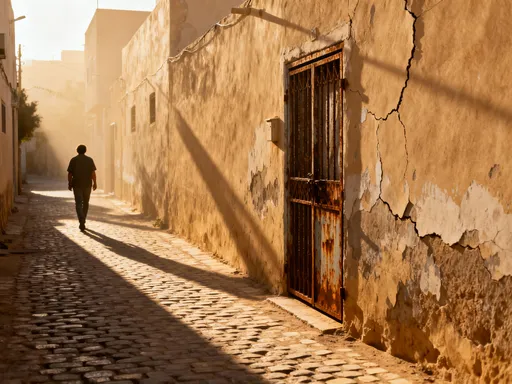
Beyond the main tourist routes lies one of Kazan’s best-kept secrets: the quiet, ivy-draped courtyards of the Old Tatar Settlement. Tucked behind unassuming gates and narrow alleyways, these pockets of history feel like stepping into another century. Wooden houses with carved window frames, latticework balconies, and steeply pitched roofs line cobblestone paths, their walls softened by climbing roses and wisteria. Unlike the grand public spaces, these neighborhoods are lived-in, intimate, and deeply authentic. They offer a rare glimpse into traditional Tatar domestic life, where generations have lived in close-knit communities, preserving customs and crafts.
Photographing these courtyards requires a different approach—one of patience, stillness, and respect. These are not museums; they are homes. The beauty here lies in subtlety: the play of light through a lace curtain, the texture of weathered wood, the way morning mist curls around a samovar on a porch. A prime lens with a wide aperture can isolate these details, creating images that feel poetic rather than documentary. Natural light is your ally—early morning or late afternoon sun streams through the narrow alleys, casting long shadows and highlighting the warm tones of the wood and stone.
Walking slowly and quietly increases your chances of capturing candid moments: an elder woman watering her flowers, a child chasing a cat through the yard, a family gathering at a shared table. These scenes are not staged, and they should not be interrupted. Always ask permission before photographing people, and if declined, simply smile and move on. The goal is not to extract images, but to witness and honor. Some courtyards are accessible to the public during cultural festivals or guided tours, offering a respectful way to explore deeper. For photographers seeking emotional depth, these hidden spaces offer some of the most powerful, understated moments in the city.
Views from the Millennium Bridge: Kazan at Night
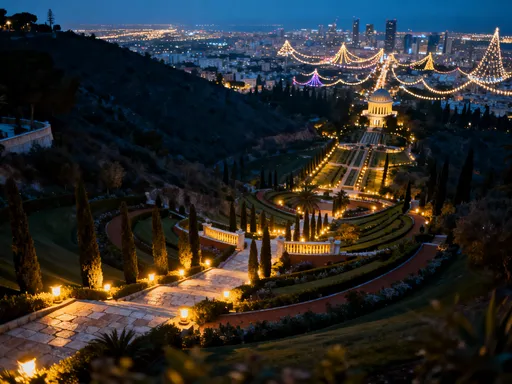
As daylight fades, Kazan transforms. The city’s landmarks, already impressive by day, become even more magical when illuminated against the night sky. The best vantage point for this spectacle is the Millennium Bridge, a modern pedestrian and vehicle bridge that spans the Kazanka River. From its central walkway, you can capture a sweeping panorama of the Kremlin, with the Qolşärif Mosque and Annunciation Cathedral glowing like jewels in the darkness. The reflection in the river doubles the effect, creating a shimmering, dreamlike composition that has become a favorite among night photographers.
For long-exposure shots, a tripod is essential. Set your camera to a slow shutter speed—between 10 and 30 seconds—and watch as car lights on the bridge turn into glowing trails, weaving through the frame like threads of light. The contrast between the static grandeur of the monuments and the fluid motion of traffic creates a dynamic tension that adds energy to your images. Experiment with different apertures and ISO settings to balance brightness and clarity. If you’re using a smartphone, many now offer night mode with stabilization features that can produce impressive results with careful handling.
The bridge is also a social space, especially on summer evenings when locals gather to enjoy the view. Couples stroll hand-in-hand, families take photos, and teenagers laugh by the railings. These human moments add warmth to the scene and remind us that beauty is not just in architecture, but in how people connect with it. Nearby, small kiosks sell hot tea and traditional snacks like chak-chak, a sweet honey pastry—perfect for warming up while you wait for the perfect light. Whether you’re a professional or an amateur, the Millennium Bridge offers a moment of quiet awe, a reminder that cities, at their best, are not just built, but felt.
Street Art & Cultural Surprises: Modern Beats in Ancient Walls
Kazan’s story isn’t frozen in the past. Beyond its historic core, the city pulses with contemporary creativity, much of it expressed through vibrant street art. Murals cover the sides of buildings, especially near universities, cultural centers, and youth districts, transforming blank walls into open-air galleries. Unlike graffiti in some cities, which can feel rebellious or chaotic, Kazan’s street art is often celebratory, honoring Tatar poets, musicians, and historical figures. One famous mural depicts Gabdulla Tukay, the national poet of Tatarstan, his thoughtful gaze meeting the passerby. Another shows a traditional Tatar dancer mid-motion, her embroidered dress flowing in a burst of color.
These artworks are not just decorative; they’re educational, a way of keeping cultural memory alive in public space. They invite conversation, curiosity, and connection. For photographers, they offer bold compositions—high contrast, vivid colors, dramatic scale. A wide-angle lens can capture the full mural with its architectural context, while a zoom lens isolates facial expressions or intricate details in the paint. Early morning light reduces glare and enhances texture, making it ideal for sharp, detailed shots.
For a deeper understanding, consider joining a guided street art walk, often led by local artists or cultural ambassadors. These tours provide context—why a particular figure was chosen, what the symbols mean, how the artwork was received by the community. This knowledge enriches your photography, allowing you to tell a fuller story. Some murals are temporary, part of annual festivals, so timing your visit with cultural events like the Kazan Summer or the Sabantuy harvest festival can yield unique, time-specific images. Street art in Kazan proves that tradition and modernity are not opposites—they can coexist, inspire, and beautify together.
Why Kazan Belongs on Every Traveler’s Visual Map
Kazan is more than a destination; it’s a dialogue between past and present, East and West, silence and celebration. It offers not just beautiful sights, but meaningful ones—places where history is visible, culture is alive, and humanity is visible in every gesture. For the photographer, this means more than just accumulating likes or filling a feed. It means capturing moments that carry weight, that speak of resilience, harmony, and pride. In a world where travel content can sometimes feel repetitive or superficial, Kazan stands out as a place of authenticity and depth.
What makes the city truly special is its ability to surprise. You might come for the golden domes and blue minarets, but you’ll stay for the quiet courtyard, the shared smile with a local, the sound of prayer mingling with music on a summer night. These are the moments that stay with you, that shape your memories long after the trip ends. And when you look back at your photos, you won’t just see places—you’ll see feelings, connections, a sense of belonging.
So if you’re planning your next journey, let Kazan be more than a pin on a map. Let it be an invitation—to slow down, to look closely, to listen. Let your lens do more than record; let it tell stories. Because in Kazan, every corner holds a frame worth capturing, not because it’s perfect, but because it’s real. Go beyond the filters. Chase the light, respect the culture, and let your images reflect not just what you saw, but what you felt. That’s the kind of travel that lasts—and the kind of story worth sharing.