Art, Culture, and the Untamed Spirit of Cairns
Cairns isn’t just a gateway to the Great Barrier Reef—it’s a living canvas of culture and creativity. As I wandered through its sunlit streets, I discovered vibrant Indigenous art, bold street murals, and local markets pulsing with handmade treasures. This is a place where ancient traditions meet modern expression, and every corner tells a story. From the rhythm of didgeridoo at dawn to the splash of paint on laneway walls, Cairns breathes art into everyday life. It’s not merely a stopover for divers or adventurers; it’s a destination for those seeking soulful connection, cultural authenticity, and creative inspiration—all beneath a tropical sky. If you're seeking authentic cultural immersion wrapped in tropical beauty, Cairns delivers beyond expectation.
Arrival in Cairns: First Impressions That Surprise
Stepping off the plane or train into the warm, coastal air of Cairns, visitors are often met with an unexpected energy—one that pulses not just with tourism, but with creativity. The city greets travelers with swaying palms and ocean breezes, yes, but also with color. Murals stretch across building facades near the waterfront, sculptures stand sentinel in public squares, and the rhythm of live music drifts from open-air cafes. Many arrive expecting only a functional base for reef expeditions or rainforest hikes, yet what they find is a town alive with artistic spirit. The contrast between perception and reality is immediate: Cairns is not just a transit point. It is a destination with depth, where culture is not tucked away in galleries but woven into the streets themselves.
This fusion of natural beauty and human expression begins the moment you enter the city. The Esplanade, a scenic ribbon along the Coral Sea, offers not only swimming lagoons and seaside walks but also rotating public art installations—sculptures crafted from driftwood, steel, and reclaimed materials that reflect the region’s ecological and cultural narratives. Even the bus stops and footbridges incorporate design elements inspired by Indigenous patterns and tropical flora. These subtle details signal that Cairns values aesthetics not as decoration, but as dialogue. The city’s relaxed pace does not mean lack of sophistication; rather, it allows space for art to unfold organically, like vines climbing a rainforest tree.
What surprises most is how accessible this cultural richness feels. There are no velvet ropes or hushed galleries here—at least not exclusively. Art in Cairns is democratic. It lives on sidewalks, in markets, and in community centers. Whether you're sipping coffee beneath a painted alleyway or watching a dancer rehearse in a park, you’re part of the creative current. For families, couples, and solo travelers alike, this openness invites participation rather than passive observation. The first impression of Cairns, then, is not just one of tropical ease, but of cultural invitation—an unspoken welcome to look closer, listen longer, and engage deeply.
Indigenous Heritage: The Heartbeat of Cairns Culture
At the core of Cairns’ cultural identity lies the enduring presence of Aboriginal and Torres Strait Islander peoples, whose stories, art, and traditions have shaped this land for tens of thousands of years. Their influence is not confined to history books or ceremonial occasions; it is visible, audible, and deeply integrated into the city’s contemporary life. To understand Cairns is to begin with its First Nations custodians—the Yirrganydji and Djabugay peoples—whose connection to sea, sky, and rainforest continues to inform how culture is expressed today. This heritage is not static; it is dynamic, evolving, and proudly shared with those who come to listen.
One of the most meaningful ways to engage with this living culture is through the Tjapukai Aboriginal Cultural Park, located just outside the city. Here, visitors are welcomed into immersive experiences that honor tradition while embracing modern storytelling techniques. Performances of traditional dance, including the powerful fire dance and boomerang demonstrations, are accompanied by narration that explains the spiritual significance behind each movement. These are not theatrical reenactments for entertainment alone—they are acts of cultural preservation and education. The didgeridoo’s deep resonance, the clapstick’s sharp rhythm, and the painted bodies moving in sacred patterns all serve as bridges between past and present.
Beyond performances, Tjapukai offers hands-on activities such as weaving workshops, traditional food tastings, and guided talks on Dreamtime stories—the ancestral narratives that explain the creation of the world and the laws of existence. These experiences are led by Aboriginal elders and knowledge holders, ensuring authenticity and respect. Importantly, the park emphasizes reciprocity: visitors are encouraged to ask questions, but also to reflect on their role as guests on Indigenous land. This mutual respect forms the foundation of meaningful cultural exchange.
Throughout the city, public art installations further celebrate Indigenous identity. Along the Cairns Esplanade, a series of engraved stone markers tells the story of the region’s original inhabitants in both English and local languages. In the city center, large-scale murals depict ancestral figures and creation beings, their eyes seeming to watch over the bustling streets. These works are not merely decorative; they are affirmations of presence and resilience. For travelers, especially those raising children or seeking deeper understanding, these moments of connection offer more than sightseeing—they provide a chance to witness history as it continues to unfold.
Street Art Trails: Murals That Speak Volumes
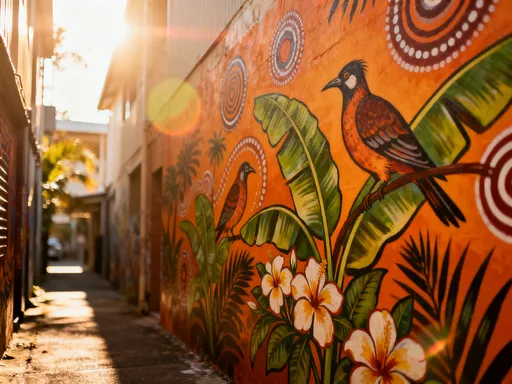
If the soul of a city can be found in its streets, then Cairns sings in color. Over the past decade, the city has embraced street art as a form of civic expression, transforming once-ordinary walls into vibrant storytelling canvases. The laneways of the central business district, in particular, have become open-air galleries where local and visiting artists explore themes of identity, environmental stewardship, and cultural pride. Walking these trails feels like flipping through the pages of a visual diary—one that captures the hopes, concerns, and dreams of a tropical community deeply connected to its environment.
One of the most striking features of Cairns’ street art scene is its thematic depth. Unlike generic graffiti or abstract designs, many murals carry clear messages. A large wall near Sheridan Street depicts a giant barramundi leaping from a river of recycled plastic, a bold commentary on marine conservation. Another, in the northern suburb of Edge Hill, portrays a Djabugay elder alongside native birds and rainforest plants, linking cultural knowledge with ecological wisdom. These works do more than beautify—they educate, provoke thought, and inspire action. Parents walking with children often pause to explain the imagery, turning a simple stroll into an impromptu lesson in art and ethics.
The city supports this creative movement through organized initiatives like the Cairns Street Art Trail, a self-guided walking route marked by signage and downloadable maps. Artists are commissioned through competitive processes, ensuring high quality and cultural sensitivity. Many works are created in collaboration with local schools or Indigenous groups, fostering intergenerational dialogue. The result is a collection of murals that feel rooted in place—not imported aesthetics, but authentic expressions of community values.
For visitors, exploring these trails offers a refreshing alternative to conventional tourism. Instead of rushing from attraction to attraction, one can slow down, observe, and connect. The changing light throughout the day alters how the murals appear—morning sun highlights gold leaf accents, while evening shadows deepen the emotional tone. Photographers, in particular, find endless inspiration, but even casual observers come away with a renewed sense of how art can transform urban spaces into places of meaning. In Cairns, graffiti is not rebellion; it is reverence—for culture, for nature, and for the power of visual storytelling.
Cairns Art Gallery: A Curated Journey Through Regional Creativity
Rising elegantly along the banks of the Saltwater Creek, the Cairns Art Gallery stands as a beacon of regional creativity. More than just a museum, it is a living institution that reflects the unique spirit of Far North Queensland. Its striking modern architecture—featuring wide verandas, natural timber, and floor-to-ceiling glass—frames both the artwork within and the lush landscape beyond. The building itself feels like a bridge between indoors and outdoors, much like the art it houses, which often blurs the line between human creation and natural wonder.
The gallery’s permanent collection emphasizes three key themes: tropical landscapes, Indigenous perspectives, and contemporary Pacific art. Paintings of mist-covered mountains, turquoise reefs, and dense rainforest canopies dominate the upper floors, capturing the region’s overwhelming beauty. Yet these are not mere postcard views. Artists like John Gulpilil’s sister, Rosie Kunwarriya, and emerging Yolngu painters infuse their work with spiritual depth, portraying the land as a living ancestor rather than a scenic backdrop. Their use of earth pigments, symbolic patterns, and layered storytelling techniques invites viewers to look beyond surface beauty and consider deeper connections.
Rotating exhibitions ensure that no two visits are the same. Recent shows have included “Voices of the Reef,” a multimedia installation combining sculpture, sound, and video to explore coral resilience, and “Woven Waters,” a textile exhibition featuring fiber art made from natural dyes and rainforest vines. These programs often include artist talks, school workshops, and community forums, reinforcing the gallery’s role as a cultural hub. Admission is modest, and guided tours are available for those seeking deeper insight—especially valuable for international visitors unfamiliar with local contexts.
What sets the Cairns Art Gallery apart is its accessibility. Unlike some institutions that feel intimidating or exclusive, this space welcomes all. Families with young children, elderly couples, and solo travelers alike wander its halls with ease. Interactive displays, tactile elements, and multilingual signage enhance inclusivity. The gallery café, overlooking the creek, offers a peaceful spot to reflect over tea or coffee. For many, this quiet moment of contemplation—surrounded by art that speaks of place and people—becomes one of the most memorable parts of their journey. In a world of fast travel and fleeting experiences, the gallery offers something rare: stillness, depth, and genuine connection.
Markets and Makers: Where Craft Meets Community
No cultural journey in Cairns is complete without a visit to its vibrant markets, where creativity is not just displayed but exchanged. Every week, local artisans, farmers, and performers gather to share their work with residents and visitors alike. These are not tourist traps filled with mass-produced souvenirs; they are authentic community events where every item has a story and every vendor a name. The air hums with conversation, music, and the scent of fresh fruit, grilled snacks, and handmade incense. Here, culture is not observed from a distance—it is tasted, touched, and taken home.
Rusty’s Market, operating daily in the heart of the city, is a sensory delight. Stalls overflow with tropical produce—mangoes the size of fists, spiky rambutans, and fragrant dragon fruit—much of it grown on small family farms in the Atherton Tablelands. But beyond food, Rusty’s is a haven for craft. Visitors find hand-carved wooden masks inspired by Torres Strait Islander designs, woven baskets made from pandanus leaves, and jewelry crafted from fossilized coral and ethically sourced pearls. Vendors often demonstrate their techniques, inviting passersby to try their hand at beading or shell polishing. These interactions transform shopping into shared experience, building trust and understanding across cultures.
On weekends, the Cairns Esplanade Market draws even larger crowds. Stretching along the waterfront, it features over 200 stalls offering everything from batik textiles to rainforest honey. Live music stages host acoustic sets and traditional dance performances, creating a festival-like atmosphere. Children delight in face painting and craft corners, while adults linger at coffee carts or browse wearable art—silk scarves printed with reef motifs, linen shirts embroidered with bird patterns. Sustainability is a common thread; many sellers emphasize eco-friendly materials, zero-waste packaging, and fair-trade practices. This alignment with environmental values resonates deeply with today’s conscious travelers.
What makes these markets truly special is the human connection they foster. Unlike online shopping or sterile malls, here you meet the maker. You hear how a necklace was inspired by a grandmother’s song, or how a painting captures a childhood memory of fishing at low tide. These stories add emotional weight to every purchase. For families, the markets offer a joyful way to spend a morning—teaching children about craftsmanship, supporting small businesses, and bringing home meaningful mementos. In Cairns, souvenirs are not just objects; they are vessels of memory and respect.
Festivals and Seasons: When Culture Comes Alive
While Cairns offers cultural richness year-round, certain times of year transform the city into a stage for celebration and shared pride. Festivals serve as powerful reminders that culture is not static—it breathes, dances, and evolves with the seasons. These events draw locals and visitors together in moments of collective joy, offering immersive experiences that go far beyond passive observation. For those planning a trip, aligning travel with one of these gatherings can elevate a simple vacation into a life-enriching journey.
The Cairns Indigenous Art Fair, held annually in winter, is one of the most significant cultural events in northern Australia. Over several days, the city becomes a gathering place for Aboriginal and Torres Strait Islander artists from across the continent. Galleries, pop-up stalls, and performance spaces showcase everything from traditional bark paintings to contemporary digital art. Workshops allow visitors to learn dot painting techniques, weave with natural fibers, or try their hand at instrument-making. The fair also includes panel discussions on cultural preservation, providing intellectual depth alongside artistic beauty. For families, it’s an unparalleled opportunity to engage children in respectful, hands-on learning about Australia’s oldest living cultures.
Equally vibrant is the Festival of the Coral Sea, a celebration of marine life, coastal heritage, and community resilience. Held in spring, it features boat parades, seafood tastings, and underwater art exhibitions displayed in floating frames near the marina. Local schools contribute murals and sculptures made from recycled ocean plastic, turning environmental education into public art. The festival’s centerpiece is the “Sea Country” ceremony, a collaborative event led by Indigenous custodians that honors the ocean as a living ancestor. Non-Indigenous participants are invited to attend as guests, learning protocols of respect and reciprocity. These moments of inclusion foster mutual understanding and long-lasting impact.
Other seasonal highlights include the Cairns Kinema in the Park, an outdoor film series showcasing Australian and Pacific cinema, and the Harvest Festival, which celebrates regional agriculture with cooking demos, farm tours, and bush tucker tastings. Each event reflects a different facet of Cairns’ identity—artistic, environmental, communal. For travelers, attending a festival means more than seeing a performance; it means becoming part of a story. The laughter of children, the shared meals, the rhythm of drums under the stars—all contribute to a sense of belonging, even for those passing through.
Beyond the City: Cultural Encounters in Nearby Villages
To fully appreciate Cairns’ cultural depth, one must venture beyond the city limits. Just a short drive or train ride away lie communities where tradition is lived daily, not performed for tourists. These villages—Yarrabah, Kuranda, and others—offer quieter, more intimate experiences rooted in place and people. Here, art is not separated from life; it is part of daily practice, spiritual belief, and community survival. Travelers who make the journey are rewarded not with spectacle, but with authenticity.
Yarrabah, a coastal Aboriginal community south of Cairns, is home to a thriving arts cooperative known for its printmaking and ceramics. The Bwgcolman Art Centre provides studio space for local artists, many of whom draw inspiration from ancestral stories and saltwater country. Visitors can tour the gallery, attend open studio days, or book guided cultural walks along the beach, where elders share knowledge about fishing, plant medicine, and seasonal changes. These experiences are not commercialized; they are shared with intention and care. Photography is often restricted out of respect, reinforcing the importance of presence over possession.
Kuranda, nestled in the rainforest hills, offers a different kind of cultural immersion. Known as the “Village in the Rainforest,” it has long been a haven for artists, healers, and craftspeople. The Kuranda Markets, housed in historic buildings and open-air pavilions, feature hand-blown glass, botanical perfumes, and intricate wood carvings. The community also hosts regular cultural exchanges with nearby Indigenous groups, ensuring that Aboriginal voices remain central to the village’s identity. A walk through the tree-lined paths feels like stepping into a dream—birds call from the canopy, waterfalls echo in the distance, and every stall seems to hold a secret.
These outlying areas remind us that culture cannot be rushed. There is no timetable for understanding, no checklist to complete. Instead, there is listening, observing, and allowing space for connection to grow. For families traveling with children, these visits offer lessons in patience, respect, and wonder. They model a slower, more thoughtful way of traveling—one that values relationship over consumption. In Yarrabah and Kuranda, Cairns’ untamed spirit finds its purest expression: not in grand monuments, but in quiet moments of shared humanity.
Conclusion
Cairns reveals itself not just as a tropical escape, but as a thriving cultural landscape where art is not displayed—it lives. From ancestral traditions to modern murals, every expression is rooted in place, people, and passion. The city defies easy categorization; it is neither purely natural nor purely urban, neither museum nor marketplace. Instead, it exists in the space between—where reef meets rainforest, where ancient songlines intersect with contemporary brushstrokes. Choosing Cairns means choosing depth over spectacle, connection over convenience. It invites travelers to look closer, listen longer, and leave transformed. In a world of fleeting experiences, Cairns offers something enduring: a reminder that culture, like the ocean, is vast, deep, and always moving.