What Miami’s Best Leisure Spots Taught Me About Living Louder
Miami isn’t just sun and sand—it’s a rhythm, a vibe, a full-body yes. I went looking for relaxation but found something deeper: how leisure here isn’t just about escape, but energy renewal. From rooftop escapes in Brickell to hidden bayfront nooks, every spot pulses with purpose. This isn’t just play—it’s lifestyle design. If you’ve ever wondered where fun meets meaning, let’s dive into the real Miami, beyond the postcards.
The Soul of Miami’s Leisure Culture
Miami’s approach to leisure is not built on escapism, but on integration. Unlike cities where downtime is confined to weekends or squeezed between obligations, Miami treats leisure as a daily rhythm—woven into the fabric of life like music into the humid air. This mindset shift—from leisure as indulgence to leisure as essential self-care—is what sets the city apart. It’s visible in the early-morning ritual of abuelas sipping café con leche at ventanitas in Little Havana, in the way families gather at sunset in South Pointe Park, and in the unhurried pace of conversation under the shade of royal palms. The city pulses with a Latin-infused energy, where joy is not reserved for special occasions but cultivated in the ordinary moments.
This cultural heartbeat stems from Miami’s unique blend of Caribbean, South American, and Southern U.S. influences. The result is a lifestyle that values connection, movement, and sensory richness. Leisure here is not passive; it’s participatory. Whether it’s dancing to live salsa at a neighborhood park, joining a spontaneous game of dominoes, or walking barefoot along the shore at dusk, Miamians engage with their environment as a form of nourishment. The city teaches that rest is not the absence of activity, but the presence of meaning. It’s not about doing less, but about doing what matters—what makes you feel alive.
One of the most telling examples of this philosophy is the morning café culture. In neighborhoods like Little Havana and Westchester, corner cafés buzz with life long before 8 a.m. Locals don’t just grab coffee and go—they linger. They debate politics, share family news, and laugh loudly over tiny cups of strong, sweet espresso. These moments are not luxuries; they are non-negotiable. They represent a cultural commitment to human connection, a daily reset that fuels the rest of the day. For visitors, embracing this rhythm—slowing down, engaging, savoring—can be the most transformative part of a Miami experience.
South Beach: More Than a Postcard
When most people think of Miami, South Beach is the image that comes to mind: pastel Art Deco buildings, turquoise water, and a shoreline buzzing with energy. But beyond the Instagrammable façade lies a dynamic public space that has evolved from a 1930s architectural experiment into one of the world’s most iconic leisure destinations. South Beach is not just a beach—it’s a living, breathing urban stage where fashion, fitness, and culture converge. Its enduring appeal lies in its accessibility. Unlike private resorts or members-only clubs, South Beach belongs to everyone. You don’t need a reservation or a designer swimsuit to claim your spot in the sun.
The beach stretches for two miles along the Atlantic, with each block offering a slightly different character. The northern end, near 41st Street, tends to be quieter, favored by locals and early risers. The central stretch, from 5th to 15th Street, is the heart of the action—home to lifeguard stands, volleyball courts, and clusters of sunbathers. But for those seeking a more authentic experience, the underrated stretch between 10th and 14th Street offers the perfect balance: close enough to the energy, yet far enough to avoid the thickest crowds. This area is where you’ll see joggers in rhythm with the waves, couples strolling hand in hand, and artists sketching the skyline.
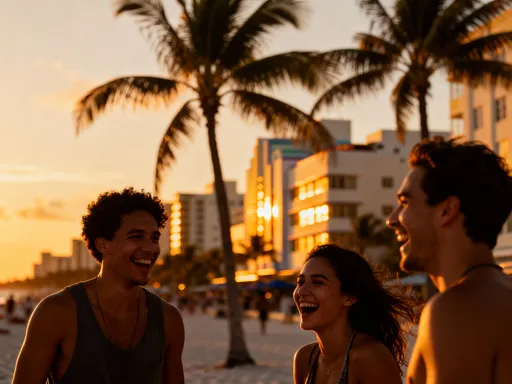
What truly defines South Beach, however, is not its beauty but its vitality. Street performers, food trucks, and pop-up vendors create a constant flow of activity. The boardwalk is a stage for cyclists, rollerbladers, and dog walkers—a human parade that never stops. And while beach clubs like Nikki Beach and Clevelander offer curated experiences, the real magic happens in the public spaces between them. Visitors are encouraged to come as they are, stay as long as they like, and move at their own pace. The key to enjoying South Beach is timing: arrive early to claim a prime spot, or return in the late afternoon when the light turns golden and the heat begins to fade.
Another practical tip is to embrace the local rhythm. Miamians often split their beach time—morning for exercise, late afternoon for socializing. By following this pattern, visitors can avoid peak congestion and experience the beach in multiple moods. Bring a towel, a good book, and a refillable water bottle. Respect the environment by using designated bins and avoiding single-use plastics. South Beach is not just a place to be seen—it’s a place to be present.
Hidden Bayfront Escapes in Coconut Grove
Just a short drive from the urban pulse of downtown, Coconut Grove offers a quieter, more intimate side of Miami’s leisure culture. Nestled along Biscayne Bay, this historic neighborhood feels like a secret whispered among locals. With its shaded marinas, leafy streets, and old-world charm, Coconut Grove is where Miamians go to unwind without leaving the city. Unlike the high-energy vibe of South Beach, this area invites stillness, reflection, and gentle movement. It’s a place where you can kayak through mangrove tunnels, sip coffee under centuries-old banyan trees, or listen to live acoustic music in a waterfront courtyard.
One of the most beloved spots is Peacock Park, a 20-acre green space that opens directly onto the bay. Families picnic on the grass, children play on the jungle gym, and dogs splash in the designated swim area. The park’s wooden dock is a favorite for sunset watching, especially on weekend evenings when a small crowd gathers with cameras and wine glasses. Nearby, Dinner Key Marina offers kayak and paddleboard rentals, allowing visitors to explore the calm waters of the Grove at their own pace. These watercraft provide a unique perspective—gliding past luxury yachts, spotting herons in the shallows, and feeling the breeze that the city streets often block.
For those who prefer dry land, the area around Main Highway is rich with tucked-away cafés and boutiques. Places like GreenStreet Café and The Barnacle Historic State Park blend leisure with history and nature. The Barnacle, once the home of early settler Ralph Munroe, is now a preserved estate with walking trails and guided tours. It’s a rare example of how Miami’s past and present coexist—where you can learn about 19th-century boating culture while enjoying a modern-day picnic under the trees.
Accessibility is one of Coconut Grove’s strengths. Parking is available along designated streets and in public garages, though visiting on a weekday morning ensures the most space and quiet. Public transit options, including the MetroMover extension, make it increasingly easy to reach without a car. The neighborhood’s walkability enhances the leisure experience—there’s no need to rush, no traffic to fight. You can wander from park to café to bookstore, letting the day unfold naturally. For visitors seeking authenticity, Coconut Grove offers a version of Miami that feels lived-in, not staged.
Brickell’s Skyline Playgrounds
If Coconut Grove is Miami’s quiet retreat, Brickell is its urban heartbeat. As the city’s financial district by day, Brickell transforms into a sophisticated playground by night—a place where high-rises double as leisure destinations. At the center of it all is Brickell City Centre, a mixed-use development that redefines urban living. With its open-air design, luxury retail, and seamless indoor-outdoor flow, the complex feels less like a mall and more like a curated city within a city. But beyond shopping, it’s the rooftop spaces that capture the essence of modern Miami leisure.
Venues like Sugar, a rooftop bar perched atop the EAST Miami Hotel, offer panoramic views of the city and bay. At sunset, the sky turns shades of coral and violet, and the skyline begins to sparkle. These spaces are designed for connection—whether it’s a business dinner, a date night, or a solo cocktail with a view. What makes them unique is their accessibility. Unlike exclusive clubs with velvet ropes, many rooftop lounges welcome guests with a dress code and a drink minimum, not a guest list. This blend of elegance and openness reflects Miami’s broader leisure philosophy: luxury should be enjoyed, not hoarded.
For film lovers, Rooftop Cinema Club at James L. Knight Center provides an unforgettable experience. Guests watch classic and contemporary films under the stars, surrounded by the city’s glow. The setup includes individual speaker pods, so conversation doesn’t disturb others—a thoughtful touch that enhances comfort. Reservations are recommended, especially on weekends, but weekday showings offer a more relaxed pace. The combination of cinema, skyline, and warm night air creates a sensory experience that goes beyond entertainment.
Practical considerations matter in Brickell. While the area is walkable, evening visits are best approached with a plan. Valet parking is available but can be expensive; ride-sharing services often provide a smoother experience. Dress codes vary—some rooftop bars require smart casual attire, so it’s wise to check in advance. And while drinks can be pricey, many venues offer happy hour specials that make the experience more accessible. The key is intention: decide what kind of evening you want—lively or low-key—and choose your spot accordingly. In Brickell, leisure is not an accident; it’s a design.
Parks That Breathe: The Outdoors Beyond the Beach
Miami’s identity is often tied to its coastline, but the city’s green spaces play an equally vital role in its leisure culture. These parks offer refuge from the heat, noise, and density of urban life, providing room to move, breathe, and reconnect with nature. Two of the most significant are Fairchild Tropical Botanic Garden and Tropical Park—each serving different but complementary purposes in the city’s wellness ecosystem.
Fairchild, located in Coral Gables, spans 83 acres and is home to one of the world’s most diverse collections of tropical plants. With over 3,000 species, including rare palms, orchids, and cycads, the garden is both a research institution and a sanctuary for visitors. Walking trails wind through themed areas like the Rainforest Boardwalk, the Mangrove Walk, and the Butterfly Garden. Birdwatchers flock here to spot native and migratory species, while families enjoy the seasonal festivals and educational programs. Unlike crowded beaches, Fairchild maintains a peaceful atmosphere, with timed entry and limited daily tickets helping to preserve the experience.
Tropical Park, in contrast, is a community-focused space designed for active leisure. Spanning 275 acres in the Westchester neighborhood, it features walking and jogging paths, sports fields, a dog park, and a children’s playground. It’s a favorite among local families and fitness enthusiasts, especially in the early morning and late afternoon when temperatures are milder. The park’s lake attracts kayakers and paddleboarders, while shaded picnic areas host weekend gatherings. With free admission and ample parking, it remains one of Miami’s most accessible green spaces.
Both parks reflect a growing awareness of the importance of urban nature. Studies show that access to green space reduces stress, improves mood, and encourages physical activity. In a city known for its fast pace, these oases offer balance. They are not just places to go, but places to reset. For visitors, incorporating a park visit into a Miami itinerary can provide a deeper, more restorative experience. Whether it’s meditating among orchids at Fairchild or jogging beside Tropical Park’s lake, these spaces remind us that leisure is not only about fun—it’s about well-being.
Water Adventures Without the Hype
While South Beach draws the crowds, Miami’s true water adventures lie beyond the postcard views. For those seeking a more immersive connection with the city’s aquatic environment, places like Oleta River State Park, Key Biscayne, and Biscayne Bay offer quieter, more sustainable options. These destinations emphasize eco-awareness, physical engagement, and respect for nature—qualities that align with a mindful approach to leisure.
Oleta River State Park, located in North Miami, is the largest urban park in the Florida state park system. Its network of mangrove-lined waterways is perfect for kayaking and paddleboarding. Rentals are available on-site, and guided eco-tours provide insight into the local ecosystem—how mangroves protect the coast, how fish and birds depend on these habitats, and how human activity impacts the balance. The park also features mountain biking trails and picnic areas, making it ideal for a full-day outing. Weekday visits are less crowded, allowing for a more serene experience.
Snorkeling at Key Biscayne, particularly at the southern tip near Bill Baggs Cape Florida State Park, offers a glimpse into Miami’s underwater world. While not as dramatic as Caribbean reefs, the shallow coral formations and seagrass beds are home to colorful fish, sea turtles, and occasional rays. Snorkeling gear can be rented locally, and operators follow responsible tourism practices—avoiding anchoring on coral and limiting group sizes. For families, it’s a safe and educational way to explore marine life.
Biscayne Bay eco-tours, often led by certified naturalists, take visitors through shallow flats and seagrass meadows in shallow-draft boats. These tours focus on conservation, highlighting the bay’s role as a nursery for fish and a buffer against storms. Participants may see manatees, dolphins, and wading birds, but the emphasis is on observation, not interaction. Booking with reputable operators ensures safety and environmental responsibility. By choosing low-impact activities and avoiding overcrowded tours, visitors can enjoy Miami’s waters without contributing to their degradation.
Choosing Your Miami: A Guide to Matching Venues to Vibe
With so many leisure options, the challenge isn’t finding something to do—it’s choosing the right experience for your mood, needs, and travel style. Miami’s strength lies in its diversity, but that variety can be overwhelming without a framework. The key is intentionality. The best leisure is not random; it’s aligned with your energy, your company, and your goals for the day.
Start by considering your desired pace. Are you seeking high energy or deep calm? For social connection and stimulation, South Beach or Brickell’s rooftops may be ideal. For solitude and reflection, Fairchild Garden or a quiet kayak trip in Oleta River offers the perfect contrast. Group size matters too. Large families might thrive at Tropical Park or Bill Baggs State Park, where space and facilities accommodate children and pets. Couples or solo travelers may prefer the intimacy of Coconut Grove or a sunset cruise on the bay.
Time of day plays a crucial role. Miami’s heat peaks between 11 a.m. and 3 p.m., making early morning or late afternoon the best times for outdoor activities. Beaches are liveliest in the afternoon, while parks and gardens shine in the softer light of morning. Rooftop bars come alive at dusk, when the city lights begin to flicker. Budget is another factor. While some experiences require reservations and higher spending, many of Miami’s best leisure spots—like public beaches, city parks, and waterfront walks—are free or low-cost.
Ultimately, the goal is alignment. When your environment matches your internal state, leisure becomes more than distraction—it becomes renewal. Miami teaches that joy is not found in doing everything, but in choosing wisely. By tuning into your needs and the city’s rhythms, you can craft a leisure experience that feels authentic, restorative, and deeply personal.
Conclusion
Miami’s true magic lies not in any single venue, but in its invitation—to live fully, openly, joyfully. The city teaches us that leisure isn’t passive; it’s a choice to engage with life’s rhythm. Whether you’re dancing under stars or stilling your mind by the water, these spaces shape how we feel, recharge, and connect. Pick your spot. Feel the pulse. Let Miami remind you what it means to truly live.