What Nobody Tells You About Provence’s Protected Places
You’ve seen the lavender fields and pretty hilltop villages, but Provence is more than just postcard views. Hidden behind its beauty are protected natural areas where one wrong move can turn a dream trip into a travel nightmare. I learned this the hard way—overpriced access, closed trails, confusing rules. Let me save you the stress. These places are stunning, but only if you know how to visit them right. The wild heart of southern France beats strongest in its regional parks and natural reserves, where centuries-old ecosystems thrive under careful stewardship. From the limestone cliffs of the Calanques to the lavender-draped hills of the Luberon, these landscapes are not just scenic—they are safeguarded. And with protection comes responsibility, regulation, and a different kind of travel etiquette that many visitors simply aren’t prepared for.
The Allure of Provence’s Protected Landscapes
Provence’s protected natural areas are more than scenic backdrops—they are living, breathing ecosystems that define the soul of the region. Among the most celebrated is the Parc Naturel Régional du Luberon, a sprawling reserve established in 1977 that stretches across 180,000 hectares in the Vaucluse department. This park is home to over 2,000 plant species, including rare orchids and aromatic herbs like thyme and rosemary that perfume the air with every breeze. Its patchwork of limestone ridges, olive groves, and terraced vineyards reflects a delicate balance between human cultivation and wild nature.
Equally breathtaking is the Massif des Calanques, a dramatic coastal range located between Marseille and Cassis. Designated as both a National Park and a National Nature Reserve in 2012, it encompasses 20,000 hectares of land and sea, making it one of France’s most unique protected zones. The calanques themselves—narrow inlets carved by time and tide into white limestone—are accessible only by foot, kayak, or boat, preserving their pristine condition. Within these cliffs, rare species like the Mediterranean monk seal have been spotted, and endemic plants cling to rocky crevices, surviving in harsh sun and salt spray.
What draws travelers to these areas is not just beauty but authenticity. Unlike manicured tourist sites, these landscapes feel untouched, raw, and deeply connected to the rhythms of nature. Hiking through the Luberon in spring means walking beneath canopies of almond blossoms while hearing the distant chime of goat bells. Paddling into a secluded calanque at dawn reveals water so clear it mirrors the sky. These moments are powerful because they feel genuine—unscripted and unspoiled.
Yet this authenticity is precisely what protection aims to preserve. These parks are not theme parks with open gates and endless access. They are conservation areas where ecological sensitivity dictates access, movement, and behavior. The very features that make them magical—rare flora, fragile soil, nesting birds—are also what make them vulnerable. Understanding this duality is the first step toward responsible visitation. The allure of Provence’s protected places lies not just in seeing them, but in respecting the delicate balance that allows them to endure.
Common Misconceptions That Trip Up Visitors
Many travelers arrive in Provence with a simple assumption: if a trail appears on a map or in a photo online, it must be open and accessible. This belief, fueled by social media imagery and crowd-sourced travel blogs, leads thousands of visitors into restricted zones each year. The truth is far more complex. Not all paths are public. Not all viewpoints are reachable. And not all beautiful places welcome foot traffic—especially in protected areas where conservation takes priority over convenience.
One widespread misconception is that regional parks function like national forests in other countries—open 24/7 with minimal oversight. In reality, French natural parks operate under strict environmental mandates. The Parc du Luberon, for example, does not own all the land within its boundaries. Instead, it works with private landowners, municipalities, and agricultural cooperatives to enforce sustainable practices. This means certain trails may close during lambing season, harvest periods, or after heavy rains to prevent erosion. A path that was open in May might be gated in June, not due to neglect, but by design.
Another common error involves the Calanques National Park. Many tourists assume they can hike the full coastal route from Marseille to Cassis year-round. In fact, large sections of the massif are closed during summer months—typically from June 1 to September 30—to reduce fire risk and protect nesting birds. These closures are not suggestions; they are legally enforced. Rangers patrol the area, and fines for trespassing can reach 750 euros. Yet every summer, visitors ignore signs, follow Instagram geotags, or rely on outdated GPS routes, only to find themselves turned back or penalized.
Social media plays a significant role in spreading these myths. A single photo of someone standing atop a cliff at sunset can inspire hundreds to replicate it—without context. Was that photo taken during an official guided tour? Was it before current restrictions were in place? Did the hiker have special permission? Without this information, travelers unknowingly put themselves and the environment at risk. The gap between perception and policy is wide, and bridging it requires more than curiosity—it demands research, patience, and a willingness to accept that some views are meant to be admired from a distance.
Navigating Access: When Nature Says “No”
In Provence’s protected areas, access is not guaranteed—it is granted conditionally. The region’s Mediterranean climate, while ideal for tourism, creates environmental challenges that necessitate strict control over human movement. Fire risk is the most pressing concern. During the dry summer months, temperatures often exceed 35°C, vegetation becomes tinder-dry, and even a discarded cigarette can ignite a wildfire. To mitigate this, authorities implement seasonal closures, particularly in the Calanques and parts of the Luberon. These are not arbitrary decisions; they are based on daily fire risk assessments published by Météo-France.
Visitors planning summer hikes must check the official Parc National des Calanques website or visit local information centers in Marseille or Cassis for real-time updates. Digital tools like the park’s official mobile app provide geolocated alerts and alternative route suggestions when trails are closed. Ignoring these warnings isn’t just irresponsible—it’s dangerous. In 2022, a wildfire in the Calanques forced the evacuation of hundreds of hikers and led to the temporary shutdown of multiple access points for over two weeks.
Beyond fire season, other natural cycles dictate access. Spring is breeding time for many bird species, including the rare Bonelli’s eagle and the European nightjar. To protect nesting sites, certain cliff faces and forested zones are off-limits for several weeks. Similarly, after heavy rains, trails may be closed due to landslide risk or soil saturation. These decisions are made by park ecologists and rangers who monitor conditions daily.
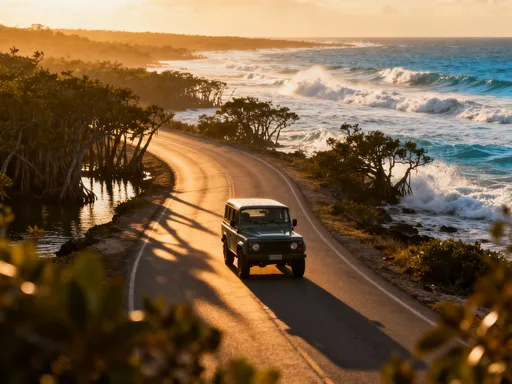
Another layer of access control involves permits and transportation. While most trails are free to enter, some require advance registration, especially for group visits or educational outings. In the Calanques, motorized vehicles are prohibited beyond designated parking areas, and shuttle boats to coastal inlets operate under strict quotas to prevent overcrowding. Parking near trailheads like Sugiton or Morgiou is limited and often full by mid-morning, making early arrival essential.
The key to navigating these restrictions is flexibility. Instead of viewing closures as obstacles, treat them as part of the experience—signals that you’re in a place where nature still sets the rules. Plan alternative routes, explore buffer zones, or visit during shoulder seasons when conditions are more favorable. By aligning your itinerary with the rhythms of the land, you not only avoid frustration but also gain a deeper appreciation for the care that keeps these landscapes alive.
The Cost of Carelessness: Fines and Environmental Damage
The consequences of ignoring rules in Provence’s protected areas go beyond inconvenience—they carry real financial and ecological costs. French environmental law is strict, and enforcement is active. Off-trail hiking, unauthorized camping, drone use, and littering are all subject to fines that can range from 135 euros for minor infractions to over 1,500 euros for serious violations like starting a fire or disturbing protected species.
One common offense is straying from marked trails. While it may seem harmless to cut through a meadow to reach a better viewpoint, the impact accumulates. Soil compaction from foot traffic destroys root systems, increases erosion, and introduces invasive species through seeds carried on shoes. In the Calanques, where plant life grows slowly due to poor soil and extreme conditions, a single off-trail hiker can undo decades of natural growth. Park rangers routinely issue citations for this, especially in sensitive zones near nesting cliffs or rare plant colonies.
Another growing concern is drone usage. While capturing aerial footage of a calanque or mountain ridge may seem like the perfect souvenir, drones are prohibited in all French national parks without special authorization. The noise disrupts wildlife, particularly birds of prey, and can trigger panic in nesting colonies. In 2021, a tourist in the Luberon was fined 450 euros after a drone startled a herd of wild boar, causing them to charge a nearby hiking group.
Littering, though seemingly minor, has lasting effects. Even biodegradable items like fruit peels decompose slowly in arid environments and attract animals to human-populated areas, altering natural behaviors. Discarded glass can start fires by magnifying sunlight. In one documented case, a family camping illegally in the Calanques left behind food waste and a portable grill, leading to a small fire that damaged over 200 square meters of protected scrubland. They were fined 2,200 euros and required to attend an environmental education workshop.
These penalties are not meant to punish but to protect. Each rule exists because someone, at some point, caused harm—often unintentionally. The message is clear: freedom to explore comes with responsibility. By understanding the real cost of carelessness, visitors can make choices that preserve the beauty they’ve traveled so far to see.
Choosing the Right Time and Trail
Timing is everything when visiting Provence’s protected areas. The region’s appeal peaks in summer, but this is also when the land is most vulnerable. High temperatures, low humidity, and strong Mistral winds create ideal conditions for wildfires, leading to widespread trail closures and access restrictions. For a more rewarding and stress-free experience, consider visiting in the shoulder seasons—late spring (April to early June) or early autumn (September to October).
Spring offers lush greenery, blooming wildflowers, and mild temperatures ideal for hiking. In the Luberon, this is when orchids, poppies, and lavender seedlings paint the hillsides in delicate color. Birdwatchers will appreciate the return of migratory species, and photographers benefit from soft morning light and fewer crowds. Autumn brings warm days and cool nights, with golden light filtering through olive groves and vineyards. The risk of fire diminishes, and many summer closures are lifted by mid-September.
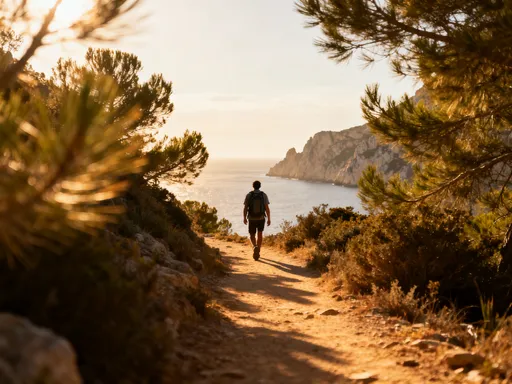
When selecting trails, match your choice to your fitness level and the current regulations. For families or casual hikers, the Sentier des Capucins in the Calanques offers a moderate 3-kilometer loop with stunning views of Sugiton Beach—provided it’s open. In the Luberon, the Sentier des Ocres near Roussillon is a well-maintained path through colorful ochre cliffs, suitable for all ages and always accessible.
For more experienced hikers, longer routes like the GR2013 coastal trail offer immersive experiences—but require careful planning. This long-distance path passes through multiple protected zones, each with its own rules. Some sections may be closed while others remain open, so checking updates daily is essential. Tools like IGN’s TOP 25 maps or the official ONF (Office National des Forêts) app provide detailed, up-to-date information on trail status, elevation, and access points.
Consider lesser-known alternatives that offer similar beauty without the pressure. The Vallée des Usines near Aix-en-Provence, though not part of the Calanques National Park, features dramatic gorges and clear streams with fewer restrictions. Similarly, the Petit Luberon area around Bonnieux offers quiet trails with panoramic views, often overlooked by mainstream guidebooks. By choosing wisely, you gain authenticity without compromising conservation.
Respecting Local Rules Without Losing the Adventure
Following local regulations doesn’t mean sacrificing adventure—it means redefining it. The rules in Provence’s protected areas are not arbitrary barriers but carefully designed safeguards that ensure these places remain wild and beautiful for generations. Fire bans, pet restrictions, and camping prohibitions exist for specific ecological reasons, and understanding them deepens the travel experience.
Fire bans, especially strict in summer, are enforced because a single spark can devastate hectares of native vegetation. Barbecues, campfires, and even cigarette smoking are prohibited in many zones. Instead of viewing this as a limitation, embrace alternatives: pack a picnic with local cheeses and bread, enjoy a meal at a village café, or book a sunset dinner cruise along the coast. These experiences connect you to Provence’s culture without risking its environment.
Pet policies are another area of common confusion. Dogs, even on leashes, are banned from most core zones in the Calanques and parts of the Luberon during sensitive periods. This isn’t about exclusion—it’s about protecting ground-nesting birds and reducing stress on wildlife. If you’re traveling with a dog, look for nearby buffer areas or approved trails in municipal forests. Some parks offer dog-friendly routes on their periphery, allowing you to enjoy nature together without harm.
Camping is strictly regulated. Wild camping is illegal in all national parks, and even designated campsites within or near protected areas require reservations. Rather than seeing this as a constraint, consider staying in eco-lodges, gîtes, or village guesthouses that support local economies. Many offer guided nature walks, organic breakfasts, and deep community ties—adding richness to your journey.
For those seeking deeper access, guided tours are an excellent solution. Licensed naturalist guides can take you into restricted areas legally, sharing ecological insights and hidden paths that aren’t marked on public maps. These tours often include transportation, permits, and educational components, transforming a simple hike into a meaningful encounter with nature. Whether it’s a botanical walk through a protected meadow or a kayaking tour into a remote calanque, guided experiences offer adventure with integrity.
How to Visit Responsibly and Still Have an Unforgettable Trip
Exploring Provence’s protected places doesn’t have to be complicated or restrictive. With the right mindset and preparation, it can be the most rewarding travel experience of your life. The key is to shift from passive sightseeing to active stewardship—seeing yourself not just as a visitor, but as a temporary guardian of these precious landscapes.
Start with research. Before you go, visit the official websites of the Parc Naturel Régional du Luberon and the Parc National des Calanques. Download their visitor guides, check current trail statuses, and note any seasonal restrictions. Equip yourself with reliable tools like IGN maps or the ONF app, and consider printing backup copies in case of poor signal.
Plan your timing wisely. Avoid peak summer months if possible, and always check weather and fire risk levels before setting out. Arrive early to secure parking and beat the heat. Pack light but smart: bring water, sun protection, sturdy shoes, and a trash bag to carry out everything you bring in.
Engage with local communities. Stop at village markets, talk to park rangers, and support businesses that prioritize sustainability. A conversation with a local farmer or guide can reveal insights no app can provide. These connections enrich your trip and help sustain the region’s cultural and ecological health.
Finally, lead by example. Stay on marked trails, respect closures, and encourage others to do the same. Share your experience not just through photos, but through responsible behavior. When you return home, reflect on what you’ve learned and carry that awareness into future travels.
Provence’s protected places are not just destinations—they are legacies. They remind us that beauty is fragile, that freedom has limits, and that true adventure lies in harmony with nature. By visiting with care, you don’t just see these landscapes—you become part of their story. And in doing so, you help ensure that the lavender still blooms, the cliffs still rise, and the silence of the wild endures for those who come after you.